

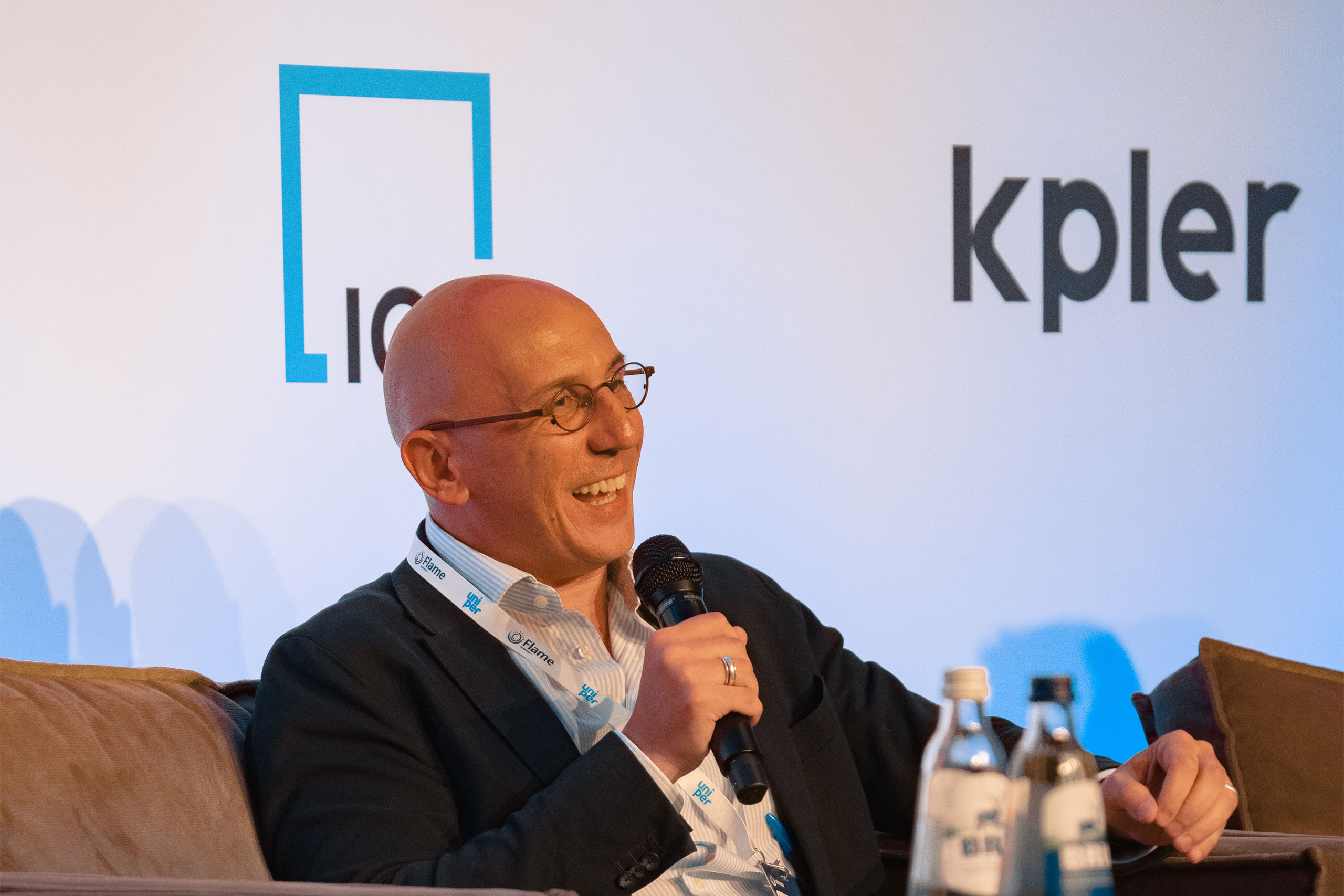
Davide Rubini, Vitol’s Head of Regulatory Affairs for Gas, Power & Environmental Products in EMEA, has called on EU Member States ahead of the European Council meeting scheduled for 18 and 19 June, to ask the European Commission to put forward a legislative proposal freezing the current deadline for importer obligations under the EU Methane Regulation and to open a structured process to establish a fully developed regulatory framework.
For the Regulation to work as intended, importers need a clear, consistent and practical route to compliance across the EU. As currently structured, the Regulation includes enforcement provisions and potential penalties for non-compliance, but it does not yet provide a complete pan-European mechanism through which obligated parties can demonstrate compliance in a consistent way. A compliance market needs both elements: a route that enables obligated parties to comply with the rules, and a clear set of enforcement provisions for cases of non-compliance.
During a panel discussion at Flame, a European gas and LNG conference, Davide outlined Vitol’s willingness to work with the Dutch Emissions Authority on a pilot project to test a practical compliance solution based on separately tradable certificates. Such an approach would need clear rules, robust verification, safeguards against double counting and consistent recognition by regulators. If designed effectively, it could help link verified upstream methane performance with downstream compliance obligations and strengthen incentives for producers to improve their monitoring, reporting and verification profiles.
The panel brought together representatives from government, regulatory bodies, climate policy and methane certification to discuss how energy importers can comply with the EU Methane Regulation. The Regulation came into force in 2024 and is intended to reduce methane emissions in the energy sector by strengthening monitoring, reporting and verification requirements for oil, gas and coal operators within the EU, while also introducing phased obligations for importers of crude oil, natural gas and coal placed on the EU market.
Vitol supports the Regulation’s objectives. Methane is a potent greenhouse gas, and reducing avoidable methane emissions remains one of the most practical near-term opportunities to reduce the climate impact of energy supply. Improved measurement, reporting and independent verification can help strengthen accountability and support investment in better upstream performance.
For importers, however, implementation is complex. Obligations under the Regulation depend on information and operational performance upstream, often outside the EU and outside the importer’s direct operational control. Companies can request data from suppliers, encourage improvements in monitoring, reporting and verification, and seek to source from producers with stronger methane performance. But a fragmented or incomplete compliance framework risks limiting the Regulation’s effectiveness and reducing incentives for upstream producers to invest in emissions abatement.
The panel also considered the need for greater EU-wide consistency. Importers operate across a single European energy market. If Member States take different approaches to implementation, recognition or enforcement, the result could be added complexity without improving methane outcomes. A common framework would provide greater legal clarity, support consistent compliance and improve the incentive structure for upstream producers.
The European Council meeting scheduled for 18 and 19 June provides an opportunity for Member States to give clearer direction. A structured process would allow the EU to preserve the ambition of the Regulation while building the practical infrastructure needed to implement it effectively. This includes clear rules on acceptable data, verification standards, compliance instruments, registry systems and consistent treatment across Member States.
The objectives of the EU Methane Regulation are important. To deliver them, the framework must be administratively workable, legally clear and capable of creating real incentives for upstream emissions reductions. The Flame discussion underlined that implementation now needs to move from principle to practice, with mechanisms that importers can use, producers can respond to and regulators can enforce consistently.